Quick Information

ADDRESS

6067 Wilshire Blvd, Los Angeles, CA 90036, USA

Plan your visit

Is the Academy Museum of Motion Pictures worth visiting?

You step off Wilshire into cool, darkened galleries where film clips flicker overhead and familiar objects appear out of nowhere — ruby slippers, a droid, a costume you know before you read the label. The building feels half shrine, half backstage.

It was built by the Academy to treat moviemaking as an art form, not just celebrity culture. That matters because the museum pairs iconic props with the craft behind them, sound, editing, design, and performance all get their due.

The payoff is leaving with a sharper eye. You do not just remember famous movies; you start noticing how they were assembled, and why certain images lodged in popular memory for decades.

Skip it if: you want a highly interactive attraction or are visiting mainly with very young children who need constant hands-on entertainment.

What to see at the Academy Museum of Motion Pictures?

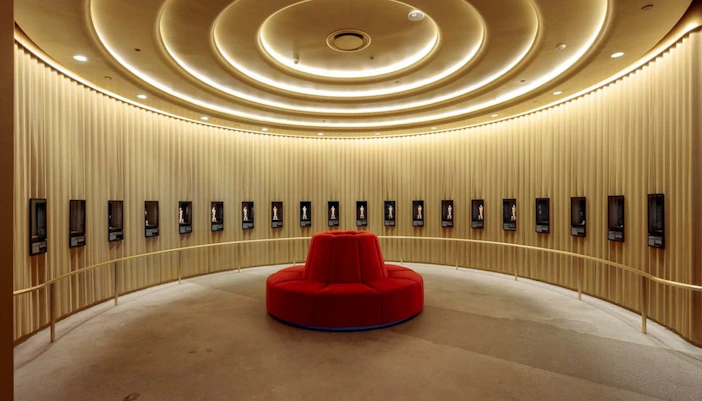
Spielberg Family Gallery lobby display
1/7

Spielberg Family Gallery

Start in the free public lobby for a 13-minute film montage that works as orientation. Even non-ticketed visitors can enter this space, so it is useful if you are deciding whether the paid galleries are worth your time.

Stories of Cinema

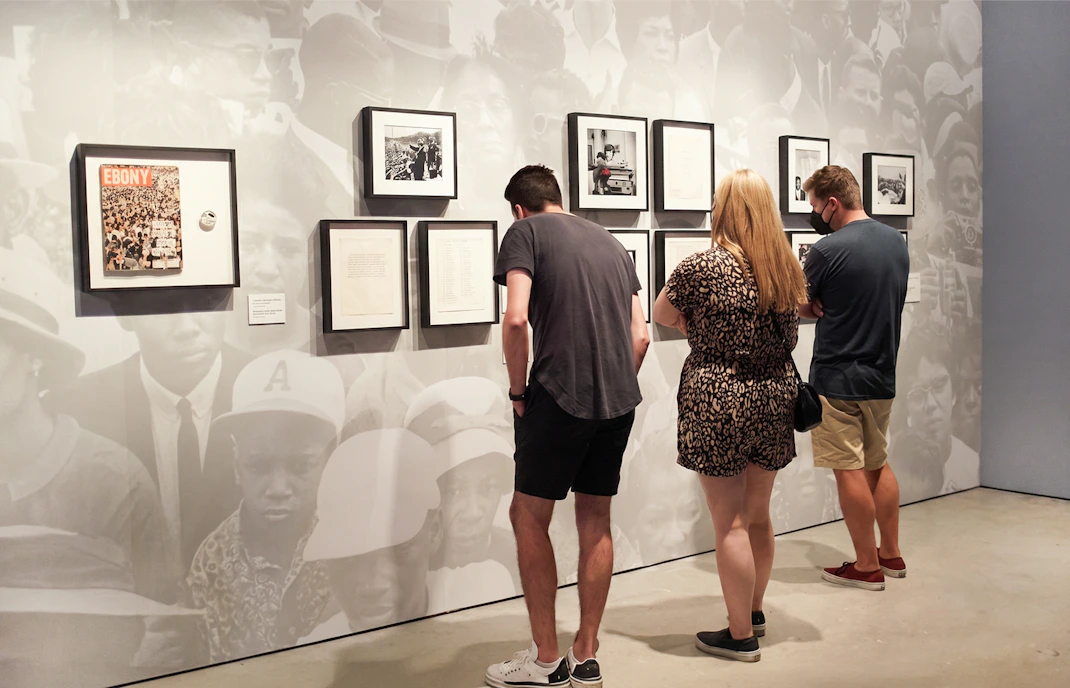
This is the museum’s core multi-floor exhibition, mixing film history with how movies are actually made. Give it real time: most visitors spend the largest share of their visit here, and rushing it makes the museum feel thinner than it is.

Oscar history displays

These galleries focus on the Academy Awards themselves, statuettes, ceremony history, and the mythology built around winning. They are especially useful if you want context before adding the separate Oscars® Experience.

Iconic props and costumes

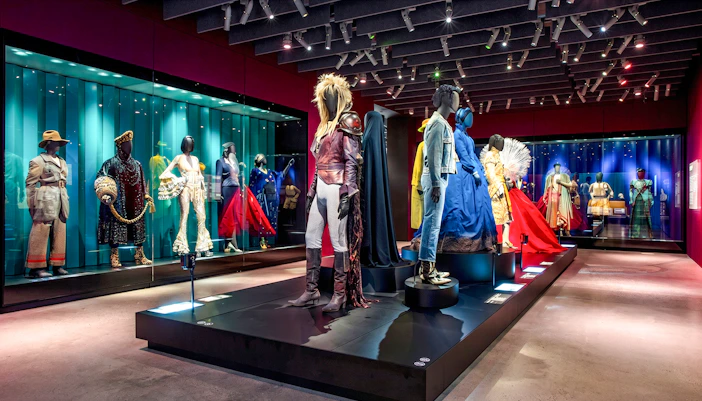
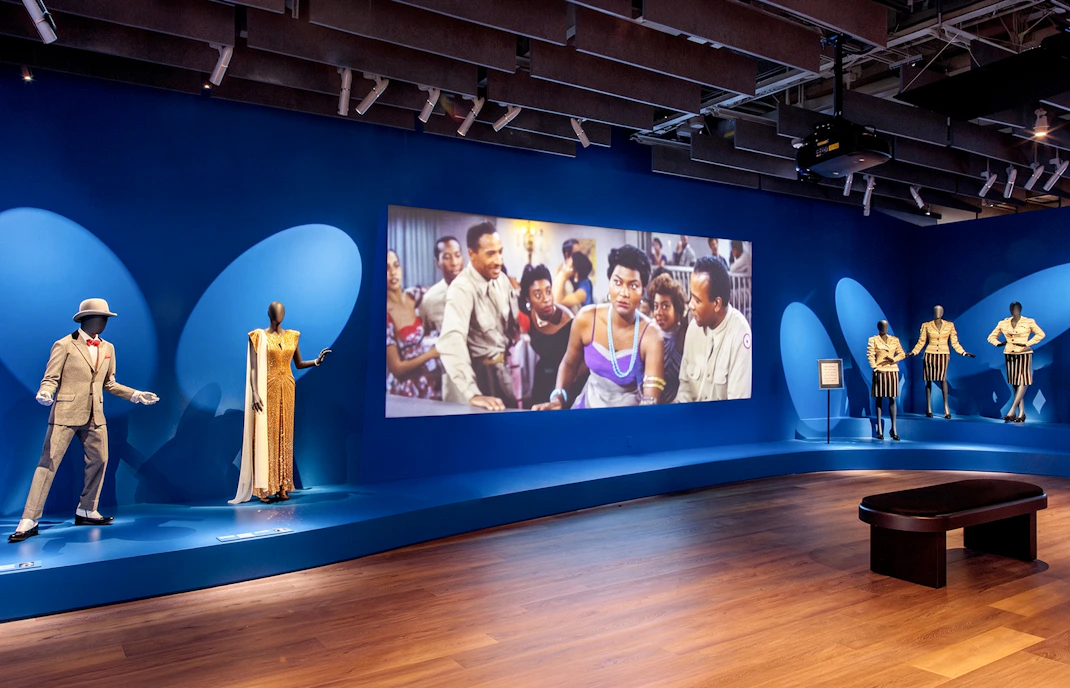
Look for the objects that anchor memory: recognizable shoes, robots, costumes, and set pieces. These displays work best when you stop for the labels, because the production stories often matter more than the object itself.

Temporary exhibition galleries

The museum’s changing shows can be the deciding factor in whether a visit feels essential or merely good. Check what is on before you book, because special exhibitions often shape which floors feel fullest.

David Geffen Theater and the dome

Even if you are not attending a screening, the glass-domed theater wing is part of the experience. Programs here require separate tickets, so do not assume film screenings are included with general admission.

Oscars® Experience

This add-on lets you step onto a staged set and record your own acceptance moment. It costs extra and works best for families, first-timers, or anyone who wants a souvenir more personal than a gallery photo.

Oscars® Experience

Movie props tell you what won; the Oscars® Experience shows how winning feels. This add-on stages your acceptance speech under lights and cameras, then sends you home with a video, a better fit for families than studying trophies alone afterward.

How to Explore the Academy Museum of Motion Pictures

Budget 2–3 hours for the museum itself, and closer to 3–4 hours if you add a temporary exhibition, a drop-in educator tour, or the Oscars® Experience. The shortest satisfying visit is possible in about 90 minutes, but only if you stay disciplined and focus on the core galleries. Start in the free Spielberg Family Gallery lobby installation, because it gives you a quick cinematic frame before you enter the paid floors. From there, move straight into the Stories of Cinema galleries while your attention is fresh, then work through the Oscar-related displays, and leave the dome, terrace views, or add-on experiences for later.

Must-see: Stories of Cinema, the Oscar history displays, and at least one gallery of iconic props or costumes.

Optional: The Oscars® Experience if you want a recorded keepsake, plus any same-day screening spaces or terrace stop, which usually add 20–45 minutes.

Guided vs. self-paced: Self-paced works well here, but a gallery tour adds real value because labels do not always explain why a costume, edit, or production design decision changed film history.
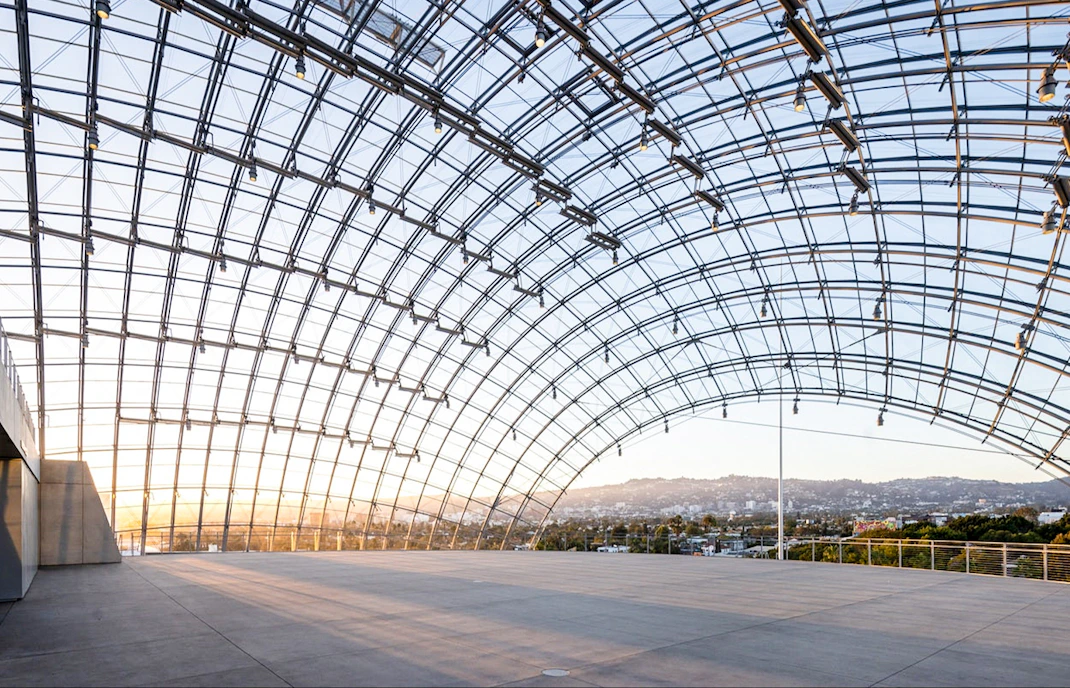
Budget 2–3 hours for the museum itself, and closer to 3–4 hours if you add a temporary exhibition, a drop-in educator tour, or the Oscars® Experience. The shortest satisfying visit is possible in about 90 minutes, but only if you stay disciplined and focus on the core galleries. Start in the free Spielberg Family Gallery lobby installation, because it gives you a quick cinematic frame before you enter the paid floors. From there, move straight into the Stories of Cinema galleries while your attention is fresh, then work through the Oscar-related displays, and leave the dome, terrace views, or add-on experiences for later.

Must-see: Stories of Cinema, the Oscar history displays, and at least one gallery of iconic props or costumes.

Optional: The Oscars® Experience if you want a recorded keepsake, plus any same-day screening spaces or terrace stop, which usually add 20–45 minutes.

Guided vs. self-paced: Self-paced works well here, but a gallery tour adds real value because labels do not always explain why a costume, edit, or production design decision changed film history.
Brief History of the Academy Museum of Motion Pictures

  • 1939: The Streamline Moderne May Company building opens on Wilshire Boulevard, later becoming the museum’s historic anchor.
  • 2012: The Academy of Motion Picture Arts and Sciences selects the site for a major film museum in Los Angeles.
  • 2014: Renzo Piano’s design is unveiled, pairing restoration of the landmark building with a new spherical theater wing.
  • 2017: Construction advances on the reworked campus, built to combine exhibition galleries with dedicated screening spaces.
  • 2021: The Academy Museum of Motion Pictures opens to the public, giving the Academy a permanent home for film history beyond the Oscar telecast.
  • 2022: The museum reports about 700,000 visitors in its first year, outperforming its original attendance goal.

Architecture of the Academy Museum of Motion Pictures

Style

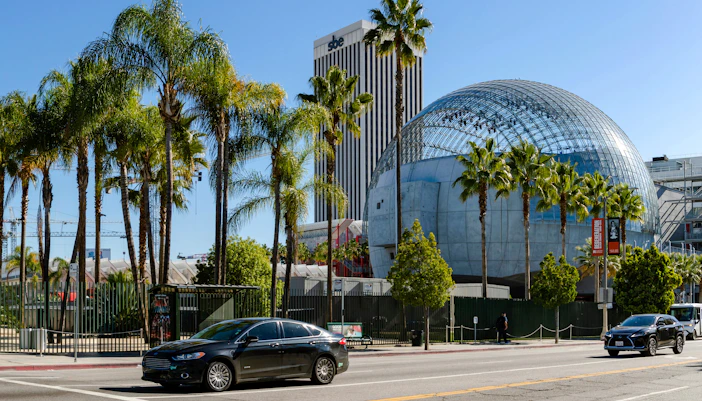
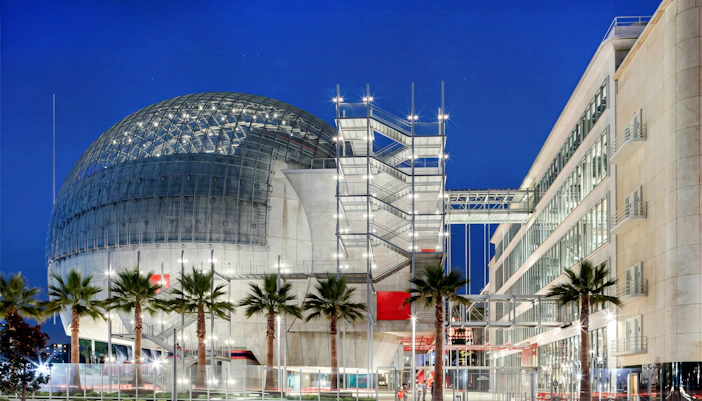
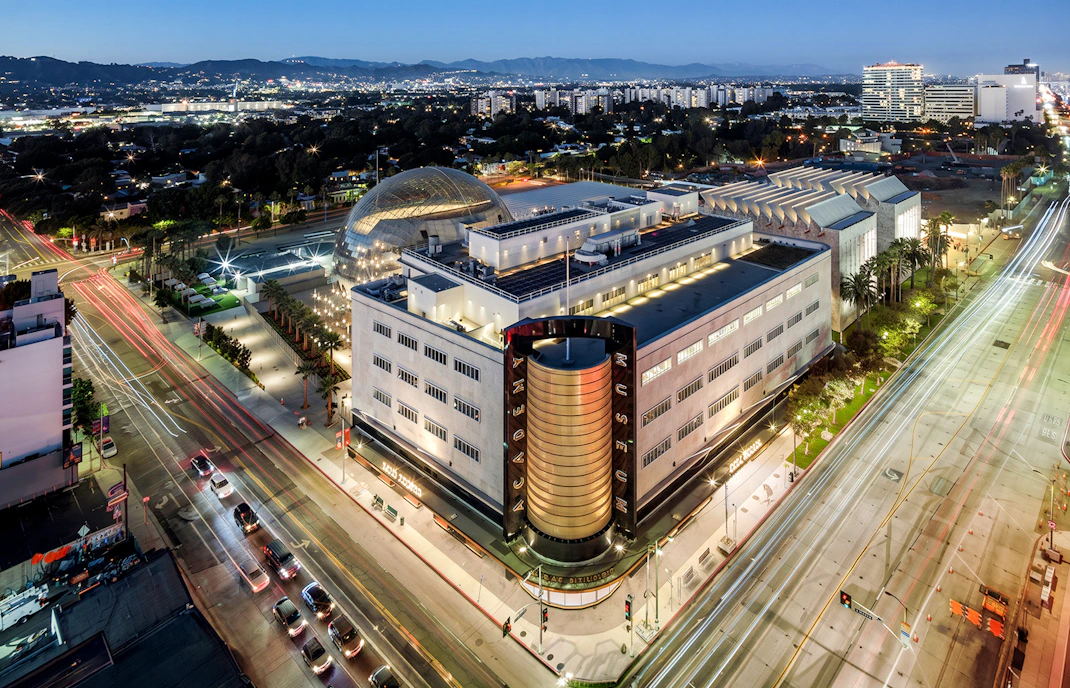
Streamline Moderne meets contemporary museum design. From Wilshire, the old gold-clad landmark gives way to a bright glass sphere, so the campus feels both Old Hollywood and unmistakably current.

Materials

The restored historic shell anchors the site, while glass and concrete define the newer theater wing visitors see rising behind it.

Engineering

The spherical David Geffen Theater is the structural feat — a near-separate dome that houses a 939-seat auditorium without overwhelming the original landmark.

Experience

Moving between the solid old building and the airy dome feels like a cut between two film eras, from studio history to present-day spectacle.

Architect

Renzo Piano designed the expansion and restoration to preserve the historic building while giving the Academy a purpose-built home for screenings and large-scale installations.

Who built it?

Renzo Piano shaped the museum’s physical identity, joining a restored 1930s landmark to a glass-domed theater. His approach was not to overpower the older building but to let cinema’s past and present sit in visible dialogue, preservation on one side, experimentation on the other.

More than an Oscars museum

Because it is run by the same institution that awards the Oscars, many visitors arrive expecting a trophy museum and leave surprised by the scope. The Academy uses this space to argue that cinema is collaborative: editors, costume designers, sound artists, animators, and production designers get real attention here, not just actors and directors. That framing is what makes the museum matter in Los Angeles, a city full of studio tours and celebrity landmarks but fewer places that explain how movies are actually assembled.

Frequently Asked Questions About the Academy Museum of Motion Pictures

Yes, especially if you care about how movies are made, not just who starred in them. Book a timed ticket in advance; popular entry windows and special exhibitions can fill up earlier than you would expect. See tickets

More Reads